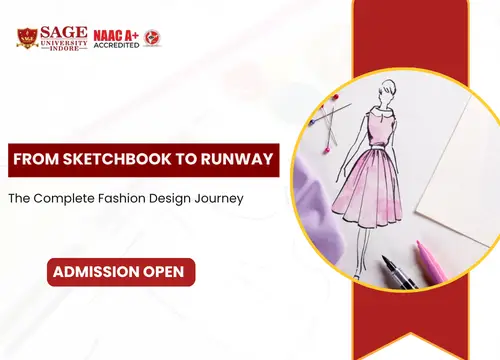
Every fashion garment begins long before the runway, long before the photoshoots, and definitely long before anyone calls it “design.” It starts quietly—with a thought, a feeling, or sometimes just a random visual that refuses to leave your mind. What people see at the end is polished and intentional. What they don’t see is the messy, uncertain, and often frustrating journey that leads there.
For me, the process always begins with observation. Not trends, not forecasts—just real life. Inspiration doesn’t come from scrolling endlessly; it comes from paying attention. It could be the way a fabric wrinkles when someone sits, the contrast of colors in a local market, or even something completely unrelated to fashion, like architecture or nature. These small moments trigger ideas, and those ideas slowly begin to take shape in the world of fashion design and garment creation.
1) The Creative Beginning of a Fashion Design Process
The sketchbook is where everything starts to become visible. But here’s the truth—initial sketches are rarely beautiful. They are rough, unbalanced, and sometimes don’t even make sense. And that’s exactly how they should be. This stage is not about perfection; it’s about freedom. I sketch quickly, trying to capture the essence of the idea before it fades. Sometimes it’s just lines, sometimes exaggerated silhouettes, sometimes notes written beside drawings. It’s chaotic, but it’s honest.
Once a few ideas are on paper, the real thinking begins. Not every sketch deserves to be developed. This is where selection comes in—choosing one concept that feels strong enough to carry forward. And this decision is not random. I start asking questions: Who is this garment for? Where will it be worn? What emotion should it evoke? A design without intention is just decoration. The moment these questions are answered, the sketch starts evolving into something more meaningful and commercially relevant in fashion.
2) Refining the Fashion Illustration and Garment Structure
Now comes refinement. The silhouette becomes clearer, proportions are adjusted, and details begin to emerge. This is where creativity meets discipline. A dramatic sleeve might look good in a sketch, but will it function in reality? A certain cut may seem unique, but can it actually be constructed? At this stage, I often redraw the same design multiple times, each version slightly better than the last. It’s a process of reducing noise and strengthening the idea.
Then comes one of the most critical decisions—fabric selection. This is where many designs either come alive or completely fall apart. Fabric is not just a material; it defines how the design behaves. The same silhouette in cotton, silk, or denim will feel entirely different. The weight, texture, drape, and movement of the fabric directly influence the final outcome of the garment.
3) Draping, Pattern Making, and Technical Fashion Development
Draping and pattern making come next, and this is where the process becomes highly technical. Draping allows the design to take shape directly on the body or mannequin. It reveals things that sketches cannot—how the fabric falls, where tension builds, how volume is distributed. It’s almost like having a conversation with the garment.
Pattern making, on the other hand, is precision. Every curve, every measurement, every seam placement needs to be accurate. This stage translates creativity into structure. It’s often overlooked, but it’s the backbone of the garment. Without a well-made pattern, even the best fashion design cannot succeed.
4) Garment Fittings and Final Fashion Construction
Fittings are where the garment truly evolves. Seeing it on a real body changes everything. Movement, posture, comfort—all these factors come into play. Adjustments are made, sometimes small, sometimes drastic. It’s a cycle of testing and improving until the design finally starts aligning with the original vision.
Construction is the stage where everything comes together. Stitching, finishing, detailing—it’s no longer just about design, it’s about execution. Precision matters here. Clean seams, proper finishing, and attention to detail can elevate a garment, while carelessness can ruin it.
5) Fashion Design: Where Creativity Meets Technical Skill
What people see in those few seconds on the runway is the result of days, sometimes weeks, of work. It’s a compressed version of a long and complex journey. And most of that journey remains invisible.
What makes fashion design unique is that it sits between art and engineering. It requires imagination, but also logic. You need to dream, but you also need to execute. And balancing these two is what defines a good fashion designer.
6) Key Takeaways from the Fashion Design Journey
1) Fashion design begins with observation and inspiration from everyday life.
2) Sketching helps transform ideas into visual concepts.
3) Fabric selection directly impacts garment behavior and final appearance.
4) Draping and pattern making are essential technical stages in apparel design.
5) Prototyping and fittings improve garment structure, comfort, and styling.
5) Fashion design combines creativity, engineering, and execution skills.
7) Frequently Asked Questions (FAQs)
What is the first step in the fashion design process?
The first step in the fashion design process is observation and inspiration gathering. Designers often draw ideas from daily life, architecture, nature, textiles, and cultural influences.
Why is fabric selection important in fashion design?
Fabric selection affects the texture, movement, fit, and overall appearance of a garment. The same design can look completely different depending on the fabric used.
What is pattern making in fashion design?
Pattern making is the technical process of creating templates for garment construction. It helps translate a fashion sketch into a wearable structure.
Nirantara Hada
Assistant Professor
Sage University Indore