Middle East War Impact on Infrastructure: Challenges & Opportunities (India & Global Perspective)
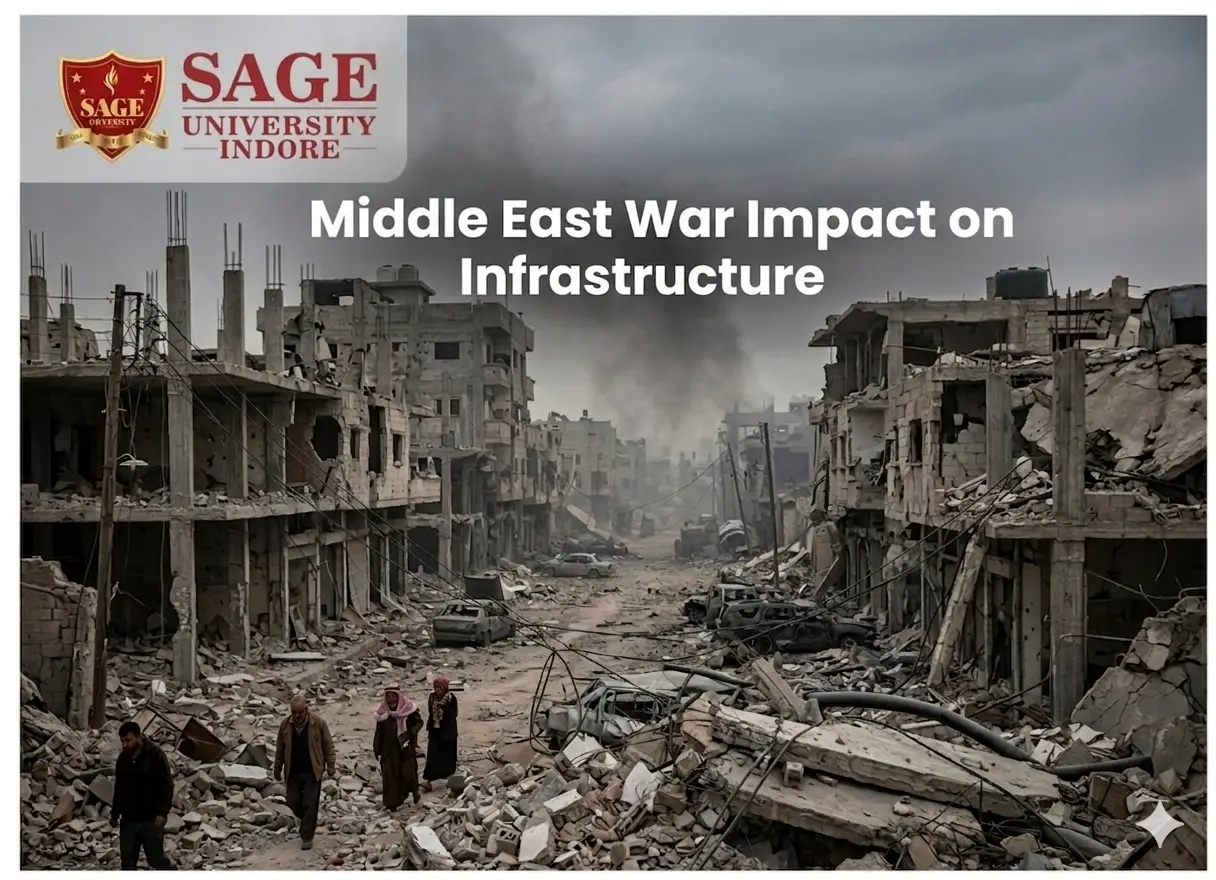
Introduction: How War is Reshaping Global Infrastructure
The ongoing geopolitical tensions in the Middle East are not just political conflicts—they are powerful forces reshaping the global economy and infrastructure landscape. The Middle East war impact on infrastructure is being felt across continents, influencing construction costs, supply chains, and investment decisions.
For civil engineers, policymakers, and infrastructure developers, this is a defining moment. Rising energy prices, disrupted logistics, and shifting global alliances are pushing the industry toward resilience, innovation, and self-reliance.
Quick Answer: What is the Impact of Middle East War on Infrastructure?
The Middle East conflict is increasing infrastructure costs globally by driving up oil prices, disrupting supply chains, and delaying construction projects. At the same time, it is creating opportunities for countries like India to strengthen domestic manufacturing and emerge as global infrastructure hubs.
How War Impacts Energy and Construction Costs
Energy is the backbone of infrastructure development. From cement production to steel manufacturing and transportation, fuel plays a critical role at every stage.
When geopolitical tensions rise in oil-rich regions, global oil prices surge, leading to:
1) Increased cost of road construction materials like bitumen
2) Higher transportation and logistics expenses
3) Expensive petrochemical products such as pipes, insulation, and polymers
The result is clear—projects become costlier, timelines extend, and financial risks increase significantly.
Global Infrastructure Challenges Due to Middle East Conflict
1. Rising Costs and Project Delays
Infrastructure projects worldwide are facing:
1) Budget overruns due to fluctuating material prices
2) Delays caused by disrupted shipping routes
3) Increased insurance and logistics costs
Large-scale projects dependent on imports are especially vulnerable.
2. Supply Chain Disruptions
The Middle East is a key global trade hub. Any instability affects:
1) Availability of construction equipment
2) Supply of specialized materials
3) Timely execution of EPC (Engineering, Procurement, Construction) contracts
This exposes the fragility of global construction supply chains.
3. Investment Uncertainty
War-driven economic instability leads to:
1) Reduced investor confidence
2) Delayed infrastructure funding
3) Rising interest rates
Both public and private sector investments slow down, impacting future development.
Impact on India’s Infrastructure Sector
India, as a rapidly growing economy, finds itself both vulnerable and strategically positioned.
1. Rising Construction Costs
India relies heavily on crude oil imports. Rising oil prices directly impact:
1) Bitumen and raw material costs
2) Transportation expenses
3) Manufacturing processes
2. Economic Pressure
Higher energy import bills strain government budgets, potentially reducing funds available for infrastructure projects.
3. Project Delays
Global supply disruptions affect:
1) Imported machinery
2) Specialized construction materials
This may slow down major initiatives like smart cities, metro projects, and highways.
Opportunities for India in a Changing Global Landscape
1. Emergence as a Global Infrastructure Hub
As companies move away from conflict-prone regions, India can become:
1) A manufacturing hub for construction materials
2) A center for engineering and project management services
2. Boost to “Make in India”
The crisis highlights the need for:
1) Local manufacturing
2) Reduced dependency on imports
3) Strong domestic supply chains
3. Growth in Strategic Infrastructure
India is likely to increase investments in:
1) Logistics and ports
2) Multimodal transport systems
3) Energy infrastructure
Future of Construction Industry in a War-Affected World
The current crisis is not just disruptive—it is transformative.
1. Sustainable and Energy-Efficient Construction
Rising energy costs are accelerating the shift toward:
1) Green buildings
2) Low-carbon cement
3) Energy-efficient designs
2. Prefabrication and Modular Construction
To reduce uncertainty:
1) Off-site construction is gaining popularity
2) Faster and more predictable project delivery is possible
3. Digital Transformation in Construction
Technology is becoming essential:
1) Building Information Modeling (BIM)
2) AI-based project planning
3) Real-time supply chain monitoring
4. Use of Alternative Materials
To reduce dependency on petrochemicals:
1) Recycled construction materials
2) Industrial waste-based products
3) Innovative composites
5. Resilient Infrastructure Design
Future infrastructure must withstand:
1) Geopolitical risks
2) Climate challenges
This includes:
1) Blast-resistant structures
2) Decentralized utilities
3) Adaptive urban planning
Role of Civil Engineers in a Changing World
Civil engineers are no longer just builders—they are strategists.
To stay relevant, professionals must:
1) Focus on cost optimization and value engineering
2) Learn digital tools and smart construction technologies
3) Adopt sustainable and resilient design principles
4) Understand global economic and supply chain dynamics
Conclusion: Turning Crisis into Opportunity
The Middle East conflict presents both challenges and opportunities for the global infrastructure sector. While rising costs and uncertainties pose risks, they also open doors for innovation and transformation.
For India, the path forward lies in:
1) Strengthening self-reliance
2) Investing in innovation
3) Building global partnerships
Ultimately, the future of infrastructure will be defined not by the crises we face—but by how effectively we respond to them.
The future belongs to those who can build not just structures—but resilience.
FAQs
1. How does war affect infrastructure development?
War increases construction costs, disrupts supply chains, and delays projects due to economic uncertainty and rising energy prices.
2. Why is oil important for the construction industry?
Oil affects transportation, material production, and machinery operation, making it a key cost driver in infrastructure development.
3. How is India affected by Middle East conflicts?
India faces higher construction costs and supply disruptions but also gains opportunities in local manufacturing and infrastructure growth.
4. What are future trends in infrastructure development?
Key trends include green construction, modular building, digital technologies, and resilient infrastructure design.
Author
Shreyans Kumar Jain
Assistant Professor, CED, IET, SUI